The Strategic Environment of Motorsport as a Model for Leadership Under Pressure
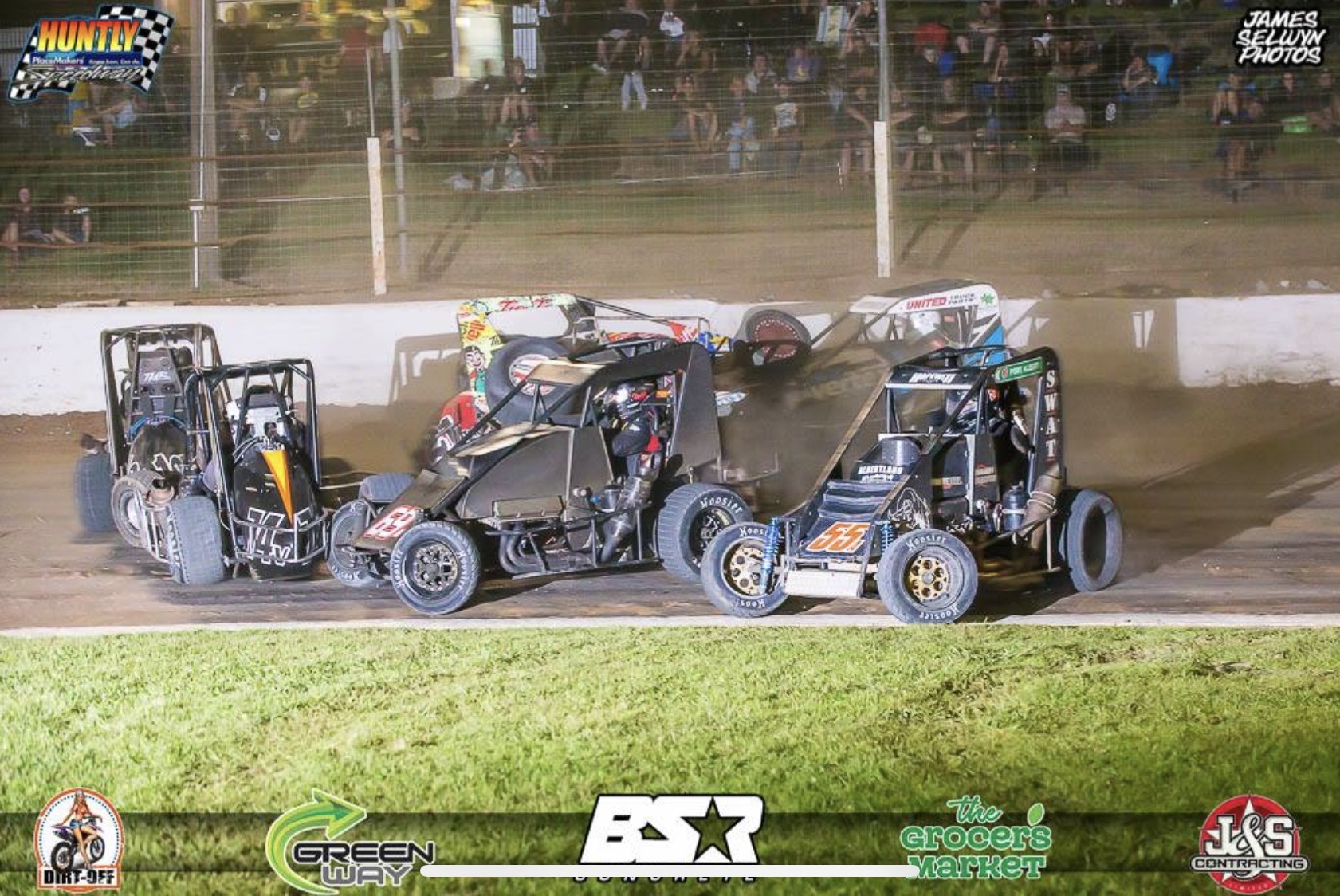
Motorsport is frequently viewed through the lens of speed and spectacle, yet beneath the surface lies a disciplined environment defined by calculation, preparation, and strategic decision making. For professionals like Mark Ensom, who balances a demanding career in construction and property development with a passion for competitive racing, the race track offers a powerful parallel to leadership in business. Motorsport requires individuals to operate in an environment where conditions change rapidly, where risk must be evaluated constantly, and where performance depends on both individual discipline and collective coordination. These characteristics mirror the realities faced by leaders responsible for managing complex projects and navigating competitive markets. Within this context, the race track becomes more than a sporting arena. It becomes a laboratory for studying leadership behavior, risk management, and the pursuit of sustained performance.
Understanding Calculated Risk Through the Discipline of Competitive Racing
One of the most valuable lessons motorsport offers is the distinction between reckless behavior and calculated risk. Racing drivers operate at the limits of mechanical capability and human reflex, yet success is rarely determined by aggression alone. Instead, drivers must evaluate timing, track conditions, mechanical performance, and the behavior of competitors before making a move. This analytical approach to risk has clear parallels in the world of development and construction. Every major project involves financial exposure, logistical uncertainty, and evolving market conditions. Leaders must decide when to accelerate a project, when to hold back, and when to take advantage of emerging opportunities. The race track trains competitors to think in terms of probabilities rather than guarantees. This mindset cultivates a form of leadership that respects risk while refusing to be paralyzed by it. Such an approach encourages decisive action grounded in preparation rather than impulse.
The Role of Preparation, Technical Knowledge, and Continuous Improvement in Performance Outcomes
Successful racing programs are built long before the vehicle reaches the starting grid. Engineers analyze performance data, mechanics fine tune components, and drivers study the circuit in order to understand its unique demands. Preparation is therefore not a ceremonial stage of competition but rather the foundation upon which competitive outcomes are built. This principle resonates strongly within construction and development leadership. Effective builders recognize that successful projects are rarely the result of improvisation. They arise from careful planning, rigorous design review, and attention to detail at every stage of execution. Individuals such as Mark Ensom often emphasize the importance of maintaining a practical and hands on understanding of the work itself. Technical knowledge enhances decision making because it allows leaders to evaluate challenges with clarity rather than relying solely on abstraction. Motorsport reinforces the importance of this mindset. The smallest adjustment in engineering or strategy can influence performance dramatically, just as subtle improvements in planning or design can transform the outcome of a development project.
Leadership Through Coordination and Trust Within High Performance Teams
Although motorsport celebrates the driver, racing is fundamentally a collective enterprise. A competitive team consists of engineers, strategists, mechanics, and support personnel who must function in synchrony. Pit stop efficiency, mechanical reliability, and tactical communication all influence the result. Leadership within this environment therefore depends on trust and coordination rather than individual heroics. The same principle governs successful development projects, where architects, contractors, designers, and financial stakeholders must collaborate across disciplines. Leaders who understand how to align diverse expertise often produce stronger outcomes than those who attempt to dominate every decision personally. Motorsport illustrates that high performance emerges when each member of a team understands both their responsibilities and the broader objective. Effective leaders cultivate environments where professionals are empowered to perform their roles with precision and accountability.
Psychological Endurance and the Capacity to Maintain Focus Under Intense Conditions
Another critical dimension of motorsport is the psychological resilience required to compete effectively. Racing drivers must sustain concentration for extended periods while responding instantly to unexpected events. Mechanical issues, changing weather conditions, or aggressive competitors can alter the trajectory of a race within seconds. Maintaining composure in these circumstances requires mental discipline and emotional control. Leaders in construction and property development encounter analogous pressures when managing large scale projects or navigating volatile economic environments. Decisions must often be made quickly, yet they must remain grounded in rational assessment rather than emotional reaction. Motorsport cultivates the habit of remaining composed when circumstances become unpredictable. This mental endurance supports more effective leadership because it allows individuals to respond strategically rather than react impulsively.
Translating Motorsport Discipline Into Strategic Thinking Within Construction and Development
The relationship between motorsport and business leadership extends beyond metaphor. Both environments reward individuals who combine preparation, strategic thinking, and resilience. Motorsport reinforces the importance of analyzing complex systems, coordinating teams, and balancing ambition with prudence. For leaders involved in construction and property development, these lessons translate directly into practical advantages. Projects are executed more effectively when risks are assessed realistically, when teams operate cohesively, and when leaders maintain focus under pressure. The experience of competitive racing therefore cultivates habits of mind that extend far beyond the circuit. It encourages disciplined thinking, continuous learning, and an appreciation for the interconnected nature of performance. Professionals like Mark Ensom often view motorsport not merely as recreation but as a complementary arena in which leadership skills are refined and tested. In this sense, the race track provides a demanding yet valuable framework for understanding how thoughtful strategy and measured risk can produce enduring success.